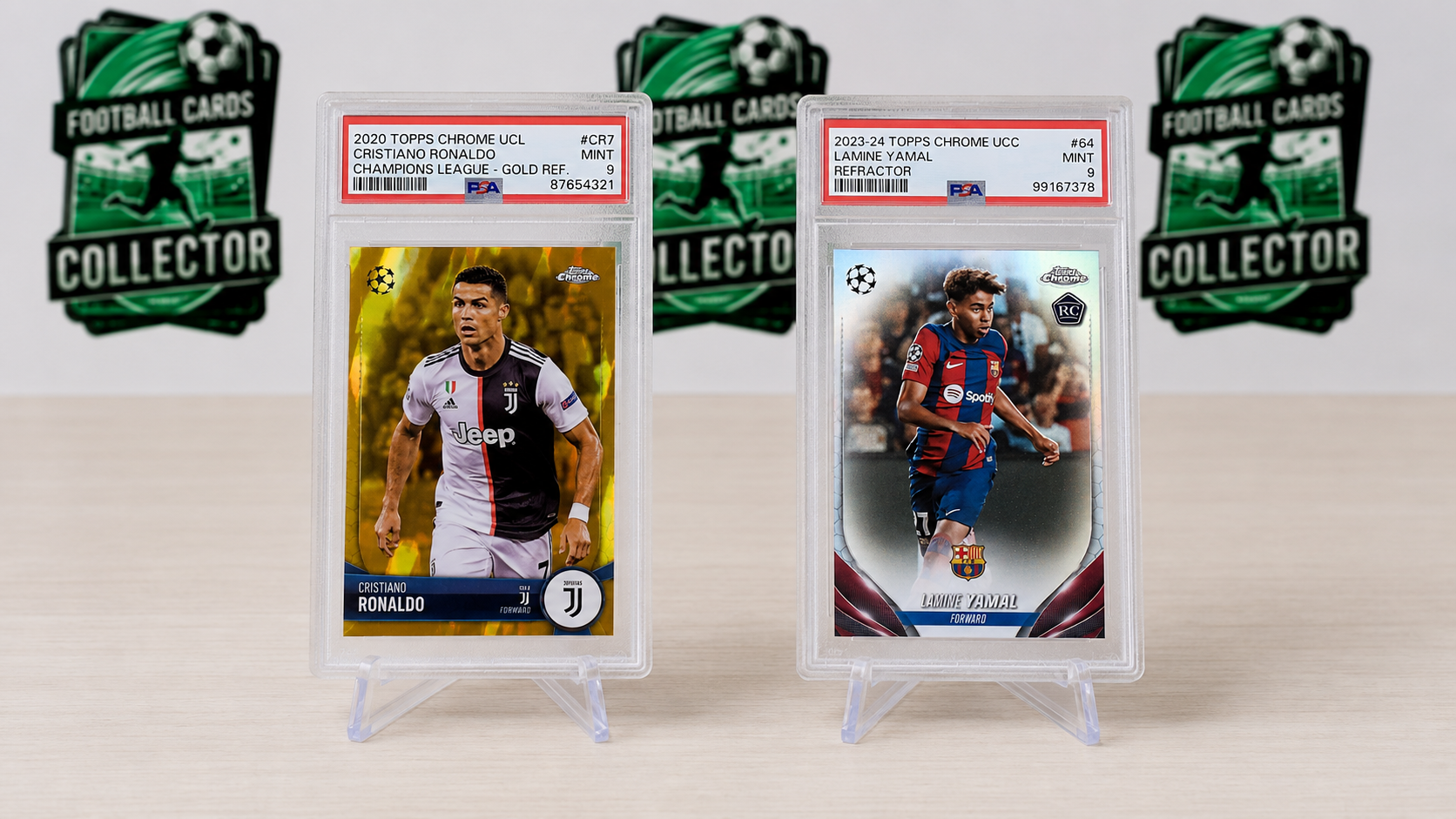
Zamykanie sportowych kart w plastikowych kapsułach, znane szeroko jako grading, przestało być wyłącznie amerykańską ekstrawagancją i na stałe wpisało się w krajobraz europejskiego rynku. Początkujący kolekcjonerzy często patrzą na ten proces przez pryzmat internetowych filmów, gdzie każda ocena z cyfrą dziesięć automatycznie mnoży wartość karty kilkukrotnie. Rzeczywistość bywa jednak znacznie bardziej brutalna, a bezmyślne kopiowanie trendów zza oceanu bez uwzględnienia lokalnych realiów ekonomicznych kończy się zazwyczaj bolesną stratą kapitału. Zanim wyślesz jakikolwiek egzemplarz do oceny, musisz przeprowadzić chłodną kalkulację kosztów, które obejmują nie tylko samą opłatę za usługę, ale też ubezpieczone przesyłki międzynarodowe oraz spore ryzyko transportowe.
Proces ten opiera się na bezwzględnej ocenie czterech kluczowych parametrów: centrowania, stanu rogów, krawędzi oraz czystości powierzchni. Dla niedoświadczonego oka karta wyciągnięta prosto z fabrycznej paczki wydaje się idealna, jednak pod lupą jubilerską i w mocnym świetle punktowym często ujawniają się mikroskopijne wady produkcyjne, takie jak linie druku czy przesunięcia gilotyny. Różnica między oceną dziewięć a mityczną dziesiątką to często ułamek milimetra, który decyduje o tym, czy operacja będzie rentowna. Jeśli karta otrzyma niższą notę, jej wartość rynkowa może okazać się niższa niż łączny koszt całej operacji logistycznej, co pozostawia właściciela z drogim, plastikowym suwenirem.
Na rynku globalnym niezmiennie królują amerykańscy giganci, tacy jak PSA czy Beckett, i to ich certyfikaty gwarantują najwyższą płynność finansową na międzynarodowych platformach sprzedażowych. W Europie jednak coraz śmielej poczynają sobie rodzime firmy gradujące, które kuszą zbieraczy znacznie niższymi kosztami stałymi oraz błyskawicznym czasem realizacji zleceń. Wybór odpowiedniej ścieżki zależy od ostatecznego przeznaczenia karty. Jeżeli Twoim celem jest szybka monetyzacja i sprzedaż do azjatyckich lub amerykańskich inwestorów, wysyłka za ocean, mimo barier logistycznych, pozostaje jedynym rozsądnym rozwiązaniem. Jeśli natomiast budujesz prywatną kolekcję i zależy Ci głównie na estetycznym zabezpieczeniu karty przed czynnikami zewnętrznymi, europejskie alternatywy sprawdzą się doskonale.
Największą pułapką, w jaką wpadają współcześni zbieracze, jest próba uszlachetniania kart powszechnych, które ze swojej natury nigdy nie zyskają statusu rarytasów. Zamknięcie w slabie standardowej karty bazowej nowoczesnego piłkarza, wydanej w nakładzie setek tysięcy sztuk, nie sprawi magicznie, że stanie się ona unikalna. Rynek szybko weryfikuje takie próby, a nadpodaż nisko ocenionych egzemplarzy zalega potem miesiącami na internetowych aukcjach. Grading powinien być traktowany jako elitarny finisz dla kart autentycznie rzadkich, limitowanych lub posiadających ogromne znaczenie historyczne dla całej dyscypliny.
Profesjonalne podejście do tematu wymaga wyłączenia emocji i wejścia w rolę surowego rzeczoznawcy. Zanim jakikolwiek kartonik trafi do bezpiecznego pudełka wysyłkowego, powinien przejść kilkukrotną selekcję na Twoim biurku, przy użyciu odpowiednich narzędzi i w pełnym skupieniu. Dopiero gdy masz absolutną pewność, że dany egzemplarz ma realne szanse na najwyższą notę, a jego rynkowe zapotrzebowanie jest stabilne, możesz podjąć ryzyko finansowe. W innym przypadku znacznie lepszym rozwiązaniem dla Twojego portfela będzie klasyczny, sprawdzony toploader lub magnetyk, który zapewni bezpieczeństwo bez generowania zbędnych kosztów.
Football Cards Collector to ekosystem dla kolekcjonerów kart piłkarskich — system w przeglądarce (katalog, marketplace, social i rankingi) oraz darmowa aplikacja na Androida ze skanem AI. Jedno konto, pełna synchronizacja.
Zaloguj się w przeglądarce lub pobierz aplikację i dołącz do społeczności kolekcjonerów z całej Europy.